How I Learned My Body Was Running on Empty
If you have read The Cup of Resilience, you know your body has a capacity for stress, and that capacity depends on sleep, stress, recovery, movement, emotional load, and the fuel you are running on. That last one matters more than most people realize. I know, because I got it wrong for years. For a long time I thought I needed more discipline. What I actually needed was more fuel.
The part no one saw
Long before I opened a Pilates studio, I spent years doing what a lot of women do: trying to control my body by eating less. Weight Watchers, Jenny Craig, Nutrisystem, Atkins, anti-inflammatory diets, calorie tracking, macro tracking. I tried everything, and for a long time I thought chronic restriction was just what healthy people did.
Eventually I had gastric sleeve surgery. I followed every rule, lost the required weight beforehand, and lost over 125 pounds total. But here is the part nobody explained well: the nutrition guidance after surgery never adjusted to match my activity. And my life became very active.
The years I didn't understand
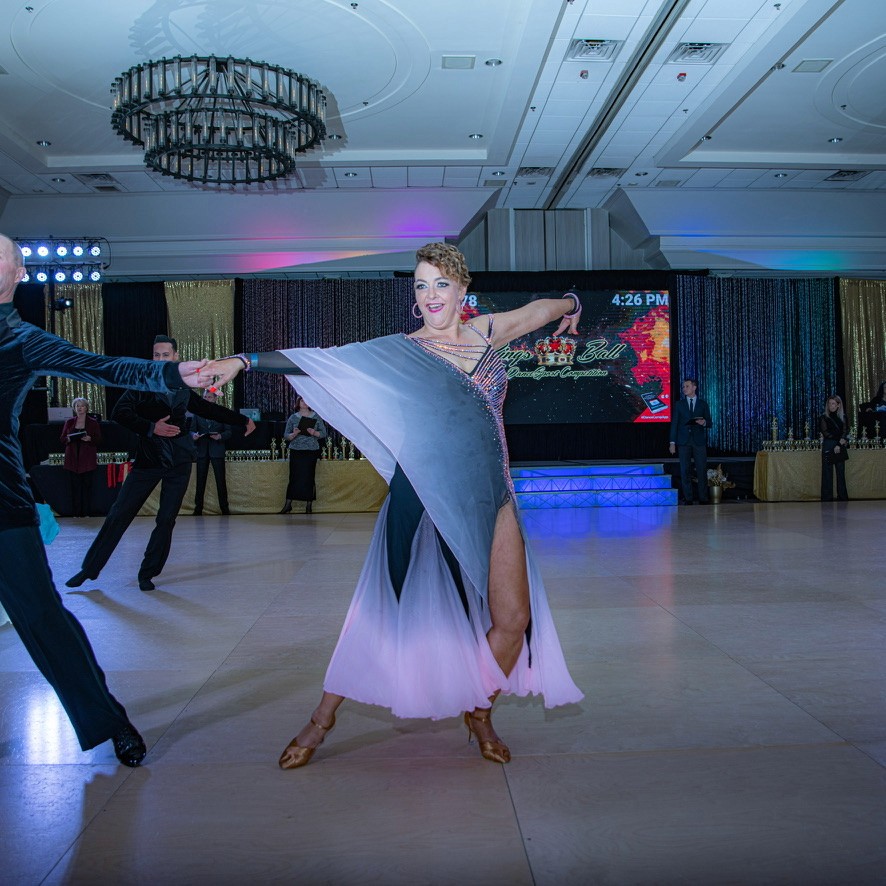
After surgery I started doing everything I had not been physically able to do before. I danced constantly. I hiked, walked, rode my bike. I owned a ballroom dance studio at the time and was taking up to 14 dance lessons a week, plus competitions. Movement gave me back joy, stress relief, confidence, and participation in my own life. I joke that I am addicted to activity, and I am not entirely joking.
What I did not realize was that my fueling never caught up to my output. My stomach capacity after surgery was about 3.5 ounces at a time, roughly half a chicken breast and a few bites of vegetables. My only real meal was usually dinner, plus protein shakes through the day. My intake often hovered around 1,200 calories. And because I had spent years in diet culture, that still sounded responsible to me.
What are the signs of underfueling?
Underfueling rarely announces itself as hunger. It shows up as lingering exhaustion, irritability, brain fog, feeling weepy or emotionally fragile, and needing long recovery after activity that should feel good. Many active women stop recognizing these as hunger signals at all, especially caregivers and leaders who are used to pushing through. Depletion starts to feel normal.
That was me. I would dance all morning at a competition and then need a two and a half hour nap because I was so depleted. I thought I was just tired, or emotional, or bad at handling stress.

The conversation that changed everything
The turning point came after my mother moved in with us in 2021 and foods I had restricted for years reappeared in the house. Strangely, I started losing weight, right after a period where I had regained weight while tracking everything carefully. It made no sense to me. Then a sports dietitian, who happened to be a ballroom dancer, came into our dance studio. When I described what I was eating and how active I was, she said something that reframed everything: "You've basically been starving yourself."
She explained that my body needed more fuel, and more safety, before it would stop holding on to energy so aggressively. That conversation changed how I understood my body. Not as broken. Not as undisciplined. As under-supported.
Then I saw the numbers
More recently I started wearing an activity ring because I suspected I still was not eating enough. Seeing the numbers was eye-opening. Our bodies do not only burn energy during workouts. They burn energy thinking, regulating stress, making decisions, teaching, leading, and recovering. One day, by 2 PM, my body had burned over 1,200 calories and I had eaten only a few hundred. That same afternoon I completely ran out of fuel during a dance lesson. That is when it clicked. My body was not failing me. It was running on empty.
Teaching Pilates, for example, is cognitively demanding in ways most people never see. While teaching I am constantly scanning the room, monitoring safety, adjusting cues, reading body language, and making real-time decisions. I was not just underfueled for movement. I was underfueled for leadership, for teaching, and for constantly adapting to other people's needs while ignoring my own.
The reframe
If you are reading this and recognizing yourself, hear this clearly: your body may not be asking for more punishment. It may be asking for more support. That does not mean ignoring health, nutrition, or movement. It means understanding that recovery, nourishment, and capacity are part of health too. Sometimes strength looks like pushing. And sometimes strength looks like finally giving your body enough resources to stop just surviving.
How I Learned My Body Was Running on Empty
If you have read The Cup of Resilience, you know your body has a capacity for stress, and that capacity depends on sleep, stress, recovery, movement, emotional load, and the fuel you are running on. That last one matters more than most people realize. I know, because I got it wrong for years. For a long time I thought I needed more discipline. What I actually needed was more fuel.
The part no one saw
Long before I opened a Pilates studio, I spent years doing what a lot of women do: trying to control my body by eating less. Weight Watchers, Jenny Craig, Nutrisystem, Atkins, anti-inflammatory diets, calorie tracking, macro tracking. I tried everything, and for a long time I thought chronic restriction was just what healthy people did.
Eventually I had gastric sleeve surgery. I followed every rule, lost the required weight beforehand, and lost over 125 pounds total. But here is the part nobody explained well: the nutrition guidance after surgery never adjusted to match my activity. And my life became very active.
The years I didn't understand
After surgery I started doing everything I had not been physically able to do before. I danced constantly. I hiked, walked, rode my bike. I owned a ballroom dance studio at the time and was taking up to 14 dance lessons a week, plus competitions. Movement gave me back joy, stress relief, confidence, and participation in my own life. I joke that I am addicted to activity, and I am not entirely joking.
What I did not realize was that my fueling never caught up to my output. My stomach capacity after surgery was about 3.5 ounces at a time, roughly half a chicken breast and a few bites of vegetables. My only real meal was usually dinner, plus protein shakes through the day. My intake often hovered around 1,200 calories. And because I had spent years in diet culture, that still sounded responsible to me.
What are the signs of underfueling?
Underfueling rarely announces itself as hunger. It shows up as lingering exhaustion, irritability, brain fog, feeling weepy or emotionally fragile, and needing long recovery after activity that should feel good. Many active women stop recognizing these as hunger signals at all, especially caregivers and leaders who are used to pushing through. Depletion starts to feel normal.
That was me. I would dance all morning at a competition and then need a two and a half hour nap because I was so depleted. I thought I was just tired, or emotional, or bad at handling stress.
The conversation that changed everything
The turning point came after my mother moved in with us in 2021 and foods I had restricted for years reappeared in the house. Strangely, I started losing weight, right after a period where I had regained weight while tracking everything carefully. It made no sense to me. Then a sports dietitian, who happened to be a ballroom dancer, came into our dance studio. When I described what I was eating and how active I was, she said something that reframed everything: "You've basically been starving yourself."
She explained that my body needed more fuel, and more safety, before it would stop holding on to energy so aggressively. That conversation changed how I understood my body. Not as broken. Not as undisciplined. As under-supported.
Then I saw the numbers
More recently I started wearing an activity ring because I suspected I still was not eating enough. Seeing the numbers was eye-opening. Our bodies do not only burn energy during workouts. They burn energy thinking, regulating stress, making decisions, teaching, leading, and recovering. One day, by 2 PM, my body had burned over 1,200 calories and I had eaten only a few hundred. That same afternoon I completely ran out of fuel during a dance lesson. That is when it clicked. My body was not failing me. It was running on empty.
Teaching Pilates, for example, is cognitively demanding in ways most people never see. While teaching I am constantly scanning the room, monitoring safety, adjusting cues, reading body language, and making real-time decisions. I was not just underfueled for movement. I was underfueled for leadership, for teaching, and for constantly adapting to other people's needs while ignoring my own.
The reframe
If you are reading this and recognizing yourself, hear this clearly: your body may not be asking for more punishment. It may be asking for more support. That does not mean ignoring health, nutrition, or movement. It means understanding that recovery, nourishment, and capacity are part of health too. Sometimes strength looks like pushing. And sometimes strength looks like finally giving your body enough resources to stop just surviving.
How I Learned My Body Was Running on Empty
If you have read The Cup of Resilience, you know your body has a capacity for stress, and that capacity depends on sleep, stress, recovery, movement, emotional load, and the fuel you are running on. That last one matters more than most people realize. I know, because I got it wrong for years. For a long time I thought I needed more discipline. What I actually needed was more fuel.
The part no one saw
Long before I opened a Pilates studio, I spent years doing what a lot of women do: trying to control my body by eating less. Weight Watchers, Jenny Craig, Nutrisystem, Atkins, anti-inflammatory diets, calorie tracking, macro tracking. I tried everything, and for a long time I thought chronic restriction was just what healthy people did.
Eventually I had gastric sleeve surgery. I followed every rule, lost the required weight beforehand, and lost over 125 pounds total. But here is the part nobody explained well: the nutrition guidance after surgery never adjusted to match my activity. And my life became very active.
The years I didn't understand
After surgery I started doing everything I had not been physically able to do before. I danced constantly. I hiked, walked, rode my bike. I owned a ballroom dance studio at the time and was taking up to 14 dance lessons a week, plus competitions. Movement gave me back joy, stress relief, confidence, and participation in my own life. I joke that I am addicted to activity, and I am not entirely joking.
What I did not realize was that my fueling never caught up to my output. My stomach capacity after surgery was about 3.5 ounces at a time, roughly half a chicken breast and a few bites of vegetables. My only real meal was usually dinner, plus protein shakes through the day. My intake often hovered around 1,200 calories. And because I had spent years in diet culture, that still sounded responsible to me.
What are the signs of underfueling?
Underfueling rarely announces itself as hunger. It shows up as lingering exhaustion, irritability, brain fog, feeling weepy or emotionally fragile, and needing long recovery after activity that should feel good. Many active women stop recognizing these as hunger signals at all, especially caregivers and leaders who are used to pushing through. Depletion starts to feel normal.
That was me. I would dance all morning at a competition and then need a two and a half hour nap because I was so depleted. I thought I was just tired, or emotional, or bad at handling stress.
The conversation that changed everything
The turning point came after my mother moved in with us in 2021 and foods I had restricted for years reappeared in the house. Strangely, I started losing weight, right after a period where I had regained weight while tracking everything carefully. It made no sense to me. Then a sports dietitian, who happened to be a ballroom dancer, came into our dance studio. When I described what I was eating and how active I was, she said something that reframed everything: "You've basically been starving yourself."
She explained that my body needed more fuel, and more safety, before it would stop holding on to energy so aggressively. That conversation changed how I understood my body. Not as broken. Not as undisciplined. As under-supported.
Then I saw the numbers
More recently I started wearing an activity ring because I suspected I still was not eating enough. Seeing the numbers was eye-opening. Our bodies do not only burn energy during workouts. They burn energy thinking, regulating stress, making decisions, teaching, leading, and recovering. One day, by 2 PM, my body had burned over 1,200 calories and I had eaten only a few hundred. That same afternoon I completely ran out of fuel during a dance lesson. That is when it clicked. My body was not failing me. It was running on empty.
Teaching Pilates, for example, is cognitively demanding in ways most people never see. While teaching I am constantly scanning the room, monitoring safety, adjusting cues, reading body language, and making real-time decisions. I was not just underfueled for movement. I was underfueled for leadership, for teaching, and for constantly adapting to other people's needs while ignoring my own.
The reframe
If you are reading this and recognizing yourself, hear this clearly: your body may not be asking for more punishment. It may be asking for more support. That does not mean ignoring health, nutrition, or movement. It means understanding that recovery, nourishment, and capacity are part of health too. Sometimes strength looks like pushing. And sometimes strength looks like finally giving your body enough resources to stop just surviving.